Categories
Uncategorized

Website Launch SEO Checklist: 21 Pre-Launch Checks

Website Launch SEO Checklist: 21 Pre-Launch Checks

Home / Single Post

Recent Blog

How to Create a Digital Marketing Strategy for a Small Business

Running a small business already gives you plenty to think about. There are customers to serve, bills to manage, products to improve, employees to support, and new opportunities to chase.

website launch SEO checklist

Website Launch SEO Checklist

Launching a new website is exciting. It is also one of the easiest times to accidentally create SEO problems that can take weeks or months to discover.

A page blocked from search engines, an incorrect canonical tag, missing redirects, duplicate title tags, or a forgotten staging-site setting may seem small during development. Once the site is live, however, those mistakes can affect crawling, indexing, rankings, and organic traffic.

That is why SEO should not begin after a website launches.

It should be part of the launch process itself.

This website launch SEO checklist covers the important technical, on-page, content, performance, and tracking checks you should complete before your new website goes live.

Whether you are launching a completely new domain, rebuilding an existing website, or moving to a new platform, these checks can help you give search engines a cleaner website to discover and users a better experience from day one.

Why SEO Matters Before a Website Launch

A website can look perfect to a human visitor while still creating problems for search engines.

Search engines need to be able to discover your pages, crawl them, understand what they are about, and determine which versions should appear in search results.

If important SEO elements are missing during launch, you may find yourself troubleshooting issues that could have been prevented before publication.

A proper pre launch SEO checklist helps reduce that risk.

It also makes future SEO work easier because you are starting with a technically sound foundation instead of fixing preventable problems after traffic begins arriving.

1. Make Sure Search Engines Can Access the Live Website

Development and staging websites are often intentionally blocked from search engines.

That is normally a good idea while a website is being built.

The problem occurs when those restrictions remain active after launch.

Before going live, confirm that important public pages are not accidentally blocked with a noindex directive, password protection, CMS visibility setting, or robots.txt rule.

Your homepage, important informational pages, product or service pages, blog posts, and other pages intended for search should be accessible to crawlers.

A beautiful website that search engines cannot access has almost no opportunity to generate organic visibility.

2. Check Your HTTPS Setup

Your live website should use HTTPS consistently.

Make sure your SSL certificate is working properly and that visitors are not able to access separate competing versions of your website through HTTP and HTTPS.

Ideally, old HTTP URLs should redirect cleanly to their HTTPS equivalents.

You should also decide whether your preferred domain uses www or the non-www version and maintain that choice consistently.

These steps help prevent unnecessary duplicate URL versions and make the website easier for users and search engines to understand.

3. Review the URL Structure

URLs should be understandable before the website launches because changing them later can create additional redirect work.

Keep URLs short, descriptive, and closely connected to the purpose of the page.

For example, a URL such as:

/website-launch-seo-checklist/

is far more useful than something like:

/page?id=4827&category=12

Avoid unnecessary folders, random numbers, excessive parameters, and repeated words where possible.

A simple site structure is easier to maintain and easier for visitors to navigate.

4. Give Every Important Page a Clear Search Purpose

One of the most overlooked parts of a new website SEO checklist is deciding what each page is actually supposed to rank for.

Two or three pages should not all be optimized around exactly the same keyword and search intent unless there is a strong reason for them to exist separately.

For example, your SEO service page should primarily satisfy visitors looking for information about your SEO offering.

A blog article, on the other hand, should answer a specific informational question such as how to prepare a website for launch.

Separating these purposes reduces the risk of keyword cannibalization, where several pages compete for similar searches instead of strengthening one clearly relevant result.

Create a simple keyword map before launch that assigns one primary topic and search intent to each important page.

5. Write a Unique Title Tag for Every Important Page

The title tag helps communicate what a page is about and often influences how that page is presented in search results.

Each important page should have a unique, descriptive title.

Avoid copying the same title across dozens of pages.

You should also avoid stuffing variations of the same keyword into one title.

Instead, describe the page accurately and make the wording useful to someone deciding whether the result answers their search.

For this article, for example, a clear title is:

Website Launch SEO Checklist: 21 Pre-Launch Checks

It explains the subject without trying to force multiple unrelated SEO phrases into the same tag.

6. Write Helpful Meta Descriptions

A meta description summarizes what visitors can expect to find on a page.

While writing one, think of it as a short explanation rather than a collection of keywords.

Every important page should ideally have a description that reflects its actual content and search intent.

For an informational article, keep the meta description informational.

For a product or service page, describe that specific offering.

This separation is important when you are trying to prevent blog articles and commercial landing pages from competing for the same searches.

7. Check the H1 and Heading Structure

Each primary page should have an obvious main heading that tells visitors what the page covers.

Supporting sections can then use H2 and H3 headings to organize the information logically.

Do not use headings only because they make text visually larger.

Headings should create a meaningful hierarchy.

A well-structured page also makes long content easier to scan, especially for visitors using mobile devices.

8. Match the Content to Search Intent

Keywords tell you what somebody typed.

Search intent helps explain what they actually want.

A person searching for a website launch SEO checklist probably wants instructions they can follow.

They probably do not want to land on a page containing three paragraphs followed immediately by a sales pitch.

That means the content should deliver the checklist first.

Understanding this difference can help you create blog articles that attract informational traffic without competing directly against commercial pages.

Before publishing any page, ask one simple question:

What problem is the person searching this phrase trying to solve?

Then make sure the page solves it.

9. Add Useful Internal Links

Internal links help visitors move between related pages and help search engines discover relationships between your content.

Your new website should not contain important pages that can only be reached by typing the URL directly.

Connect related resources naturally.

An educational article can point readers toward another guide when they need deeper information. It can also point toward a relevant commercial page when the visitor reaches a stage where professional help makes sense.

The goal is not to insert as many internal links as possible.

The goal is to create logical paths through the website.

10. Check Your Main Navigation

Your navigation should reflect the pages that matter most to users.

Avoid turning the main menu into a directory containing every URL on the website.

Visitors should be able to understand the important sections quickly.

For most business websites, the main navigation should prioritize the core areas of the site while secondary resources can be reached through contextual links, category pages, or the footer.

Good navigation benefits usability and makes the site’s hierarchy easier to understand.

11. Create and Review the XML Sitemap

An XML sitemap gives search engines a structured list of URLs you would like them to discover.

Many modern content management systems generate one automatically, but automatic does not always mean correct.

Review the sitemap before launch.

Make sure it contains the important indexable pages on the live website rather than staging URLs, deleted pages, unnecessary parameters, or pages intentionally excluded from search.

After launch, the sitemap can be submitted through Google Search Console.

12. Review the Robots.txt File

The robots.txt file provides crawling instructions for search engine bots.

This is another area where staging settings can create serious launch problems.

A development team may block the entire website while it is being built and then forget to remove that restriction.

Review the live robots.txt file carefully before launch.

Do not block important CSS, JavaScript, images, or page directories without understanding why they are being blocked.

13. Check Canonical Tags

Canonical tags help search engines understand which URL should be treated as the preferred version when similar or duplicate URLs exist.

For a standard page with no intentional duplicate, the canonical usually points back to that page’s preferred URL.

Launch problems can happen when canonical tags still point toward a development domain, old website, HTTP version, or incorrect URL.

This check is especially important if a website has been cloned from staging before launch.

14. Plan Redirects for Changed URLs

If you are replacing an existing website rather than launching a completely new domain, redirects should be part of the migration plan.

Changing an established URL without redirecting the old version can send visitors and search engines to a 404 error.

Map important old URLs to the most relevant new destinations.

Avoid automatically sending every removed page to the homepage.

A redirect should take users to a genuinely relevant replacement whenever possible.

After launch, test important redirects individually to confirm they behave as expected.

15. Optimize Images Before Publishing

Large, uncompressed images can make an otherwise fast website feel slow.

Resize images to appropriate dimensions, compress them before upload, and use modern image formats where practical.

Give informative images descriptive alt text that explains what the image represents.

Alt text should primarily improve accessibility and understanding.

It should not become a place for repeating the same keyword multiple times.

Also make sure image filenames are understandable when possible rather than relying entirely on names such as IMG_8274.jpg.

16. Test the Website on Mobile Devices

A website should not merely shrink to fit a smaller screen.

It should remain usable.

Test important pages on multiple mobile screen sizes.

Check navigation menus, buttons, forms, font sizes, pop-ups, tables, images, and interactive elements.

Pay particular attention to calls to action and forms.

A contact form that works perfectly on a desktop but becomes difficult to use on a phone can hurt conversions even when the website successfully attracts organic traffic.

17. Review Page Speed and Core Web Vitals

Performance affects more than SEO.

It affects the experience visitors have after clicking your result.

Before launch, test your major page templates rather than testing only the homepage.

A blog article, service page, category page, product page, and homepage may all behave differently.

Look for oversized images, unnecessary scripts, heavy third-party tools, render-blocking resources, excessive fonts, and layout shifts.

Performance optimization should focus on making the site genuinely faster and more stable for visitors rather than chasing a perfect test score at the expense of usability.

18. Add Appropriate Structured Data

Structured data can provide search engines with additional information about the content and entities on a page.

The correct markup depends on what the page actually contains.

A blog post may use Article markup, while other page types may qualify for different structured data.

Only use structured data that accurately represents visible page content.

After implementation, validate the markup and fix errors before launch.

Structured data should enhance the clarity of a page, not describe information that users cannot actually see.

19. Set Up Analytics and Search Console

If tracking begins several weeks after launch, you lose useful baseline data.

Configure your analytics system before or during launch and verify that it records activity correctly.

You should also configure Google Search Console for the live site.

Search Console can help you monitor indexing, search visibility, crawl issues, sitemap processing, and other organic search information once Google begins discovering the website.

If leads matter to the business, do not stop at page views.

Track meaningful actions such as form submissions, calls, purchases, sign-ups, downloads, or bookings where appropriate.

20. Find Broken Links and 404 Errors

Before publishing the website, crawl it and look for links that lead nowhere.

Broken internal links create frustrating user experiences and waste opportunities to connect related pages.

Pay particular attention to pages copied from an older website, navigation links, footer links, buttons, images, and manually inserted links inside blog posts.

A custom 404 page is useful, but preventing unnecessary 404 errors is better.

If an old URL has an appropriate replacement, redirect it.

If the page was intentionally removed with no suitable replacement, allowing a genuine 404 response can be more appropriate than forcing visitors somewhere unrelated.

21. Perform a Post-Launch Indexing Check

SEO work does not end when the website becomes public.

Once the site is live, perform another technical review using the actual production domain.

Check important URLs directly.

Confirm that the sitemap uses the correct domain.

Verify that canonical tags have not reverted.

Make sure staging restrictions are gone.

Test redirects.

Review analytics.

Inspect important URLs through Search Console and watch for unexpected indexing or crawling issues.

A final production check often catches problems that could not be seen accurately in the development environment.

What Should You Check First If Time Is Limited?

If your launch deadline is close, prioritize the problems that can prevent discovery or create major migration damage.

Start by checking indexability, robots.txt, canonical tags, HTTPS, redirects, XML sitemaps, important title tags, internal links, mobile usability, and analytics.

You can improve smaller content and performance details after launch.

Accidentally blocking the entire website from search engines is much harder to ignore.

New Website SEO and Keyword Cannibalization

A new website gives you an opportunity to prevent keyword cannibalization before it begins.

Think of your site as a collection of pages with different jobs.

A commercial page can target the need for a particular solution.

An informational blog article can answer a specific question related to that subject.

A comparison page can help users evaluate alternatives.

A case study can demonstrate what happened in a real example.

Problems usually start when all of those pages are written around the exact same primary keyword without considering search intent.

Instead of adding your main service keyword to every blog title, develop informational clusters around the problems, questions, processes, definitions, mistakes, and decisions your prospective customers research.

That creates a clearer content ecosystem and gives each page a distinct reason to exist.

Frequently Asked Questions About Website Launch SEO

Should SEO be done before or after a website launch?

Both.

Important technical and on-page SEO checks should happen before launch, while crawling, indexing, performance, search visibility, and user behavior should continue to be monitored after the website is live.

Starting before launch can prevent problems that would otherwise need to be repaired later.

How soon can a new website appear on Google?

There is no guaranteed timeline.

Search engines first need to discover, crawl, process, and index eligible pages. Submitting an XML sitemap and making sure the website is crawlable can help discovery, but neither guarantees immediate rankings or indexing.

Does every page need a focus keyword?

Not every page needs to be optimized around a traditional exact-match keyword.

Every important page should, however, have a clearly defined purpose, audience, topic, and search intent.

That is more useful than forcing a keyword into a page that does not naturally need one.

Should blog posts target service keywords?

Usually not when you already have dedicated service pages targeting those searches.

A stronger approach is to let the service page address commercial intent while blog posts answer narrower informational questions related to the topic.

That makes internal linking more logical and reduces unnecessary overlap.

How often should a website SEO checklist be reviewed?

Perform a detailed review before launch and immediately after launch.

After that, technical checks should become part of ongoing website maintenance, especially following major redesigns, CMS updates, migrations, URL changes, or new site sections.

Final Website Launch SEO Checklist

A successful website launch is not simply the moment a design becomes public.

It is the moment the technical foundation, content, usability, tracking, and search accessibility all begin working together.

Using a website launch SEO checklist before publication helps you catch preventable problems while they are still easy to fix.

Pay particular attention to crawlability, indexability, redirects, canonical tags, titles, search intent, internal linking, mobile usability, site performance, structured data, sitemaps, and analytics.

Then repeat the most important checks after the production site is live.

SEO rarely depends on one dramatic setting.

Strong organic visibility usually comes from getting dozens of smaller decisions right and continuing to improve them over time.

Build the Right Foundation Before You Grow

A website is easier to grow when its technical and content foundations are clear from the beginning.

Optimistx Tech Lab helps businesses connect website performance, search visibility, content, and measurement so each part of the digital experience supports the next.

If you are preparing a new site or rebuilding an existing one, start by making sure the foundation is ready for both visitors and search engines.

Categories
Uncategorized

SEO for Startups in 2026: How to Win Google and AI Search Before Your Competitors

SEO for Startups in 2026: How to Win Google and AI Search Before Your Competitors

Home / Blog

Recent Blog

Which Strategy Delivers Better ROI for Your Business

Should we invest in PPC or SEO is one of the most common questions business owners ask, and the honest answer is rarely one or the other.

AI SEO for startups

What Is AI SEO?

AI SEO is the process of improving your online presence so your business can be discovered through both traditional search results and AI-powered search experiences.

You may also hear terms such as:

The names sound new, but the foundation is familiar.

Google’s current guidance is particularly clear: traditional SEO best practices continue to matter for AI Overviews and AI Mode. Google does not require a separate secret optimization system just because AI is involved.

For a startup, that means the question should not be:

“Should we do SEO or AI SEO?”

The better question is:

“How do we build an SEO strategy that performs across both traditional and AI-powered discovery?”

That is the strategy worth investing in.

Why AI Search Matters So Much for Startups

Startups rarely have unlimited marketing budgets.

Every acquisition channel has to work harder.

Paid campaigns can generate traffic quickly, but the moment you stop paying, the traffic can disappear. Strong organic visibility works differently. The content, authority, and technical foundation you build today can continue bringing potential customers to your business long after publication.

AI search adds another layer to that advantage.

Your customers are asking longer questions

People do not always search with short phrases such as:

“best CRM”

They increasingly search conversationally:

“What is the best CRM for a five-person SaaS startup that needs automation but does not have a full-time sales operations team?”

Google says its AI search systems can use a technique called query fan-out, where a complex question leads to multiple related searches across subtopics before an answer is generated.

That means startups need content with enough depth and clarity to answer the real questions behind a search, not merely repeat a keyword twenty times.

Discovery can happen before the website visit

Traditional SEO often focuses heavily on the click.

AI search changes that customer journey.

A potential buyer may learn your brand name, understand what you offer, compare you with competitors, and form an opinion about your expertise before they ever reach your website.

That means your search presence is becoming part of your brand presence.

Smaller brands can compete through expertise

Startups may not have the authority of companies that have been publishing for twenty years.

But they often have something larger competitors struggle to manufacture:

specific expertise.

You know the problem you are solving.

You speak directly with customers.

You see objections every week.

You know what users hate about existing solutions.

You have original data, product insights, experiments, failures, customer stories, and opinions.

That experience can become search content that generic competitors cannot easily copy.

Google’s current guidance specifically encourages useful, original, expert-led content that goes beyond simply repeating information already available elsewhere.

That is good news for startups willing to say something worth finding.

1. Start With Search Intent, Not Search Volume

A mistake many startups make is chasing the biggest keyword they can find.

More searches must mean more customers, right?

Not necessarily.

A startup selling a B2B analytics platform might be tempted to chase a broad keyword such as:

“analytics”

It may receive plenty of searches, but the intent is incredibly broad.

Compare it with:

“analytics platform for early-stage SaaS startups”

The second term may have a smaller audience, but the person searching is far closer to becoming a qualified lead.

At Optimistx Tech Lab, this is the difference between chasing traffic and building a search engine growth channel.

Your SEO strategy should map keywords against the buyer journey.

Top-of-funnel searches

These customers are learning.

Examples:

  • What is product analytics?
  • How does technical SEO work?
  • Why is customer acquisition cost increasing?
  • What is AI search optimization?

Middle-of-funnel searches

These customers are considering options.

Examples:

  • Best product analytics tools for startups
  • SEO agency vs in-house SEO
  • HubSpot alternatives for startups
  • Best AI SEO tools

Bottom-of-funnel searches

These customers are preparing to act.

Examples:

  • Startup SEO agency
  • Hire technical SEO experts
  • AI SEO services for SaaS companies
  • SEO consultant for startup

A smart startup SEO strategy does not choose one stage.

It builds a clear path through all three.

The article attracts attention.

The comparison page creates consideration.

The service page captures demand.

The case study builds trust.

The consultation converts the lead.

That is SEO built around revenue rather than rankings.

2. Build Topic Authority Instead of Publishing Random Blog Posts

Publishing ten unrelated articles every month is not a content strategy.

It is a publishing schedule.

For AI SEO and traditional SEO alike, startups need connected areas of expertise.

Imagine you run a cybersecurity startup.

Instead of publishing random articles such as:

  • Five Business Tips for 2026
  • Why Technology Matters
  • Our Favorite Productivity Apps
  • What Is Cybersecurity?

Build a focused content ecosystem around the problem your product solves.

For example:

Core topic: SaaS security

Supporting content could include:

  • SaaS security checklist for startups
  • SOC 2 requirements explained
  • How much does SOC 2 compliance cost?
  • SOC 2 vs ISO 27001
  • Security questionnaire template
  • Common SaaS security mistakes
  • When should a startup hire a security lead?
  • How to prepare for an enterprise security review

Now your website does more than contain keywords.

It demonstrates expertise around a commercial problem.

Internally link those articles to relevant product, service, case study, and conversion pages.

Every piece should have a job.

3. Create Content AI Cannot Easily Replace

AI can produce another generic article called:

“10 SEO Tips for Startups.”

So can thousands of your competitors.

That does not mean AI-generated content is automatically bad.

It means generic content is becoming increasingly easy to produce and therefore increasingly difficult to differentiate.

If your article could have been written by anyone, why should a search engine—or a customer—treat your company as the authority?

The answer is original experience.

Add information such as:

  • Real customer questions
  • Founder observations
  • Screenshots
  • Before-and-after examples
  • Original research
  • Benchmarks
  • Internal data
  • Expert commentary
  • Processes your company actually uses
  • Mistakes you have seen repeatedly
  • Case studies
  • Templates
  • Calculators
  • Checklists
  • Strong, defensible opinions

Google’s generative AI search guidance specifically recommends creating useful content with original viewpoints and firsthand expertise rather than simply recycling what already exists online.

For startups, this creates an important rule:

Do not publish more content simply because AI makes content cheaper. Publish better content because AI makes average content abundant.

That distinction matters.

4. Make Your Startup Easy for Search Engines to Understand

Brilliant content is useless if search engines cannot properly crawl, index, and understand the website carrying it.

Technical SEO remains essential in the AI search era.

Google says a page must still be indexed and eligible to appear in Google Search before it can be eligible as a supporting link in features such as AI Overviews and AI Mode.

Your startup should regularly check:

  • Crawlability
  • Indexation
  • XML sitemaps
  • Robots.txt rules
  • Canonical tags
  • Redirect chains
  • Broken links
  • Duplicate pages
  • Mobile usability
  • Page speed
  • JavaScript rendering
  • Internal linking
  • HTTPS
  • Site architecture
  • Structured data
  • Core landing page accessibility

Do not assume a beautiful website is an SEO-friendly website.

The two are not automatically the same.

A site can look excellent to a founder and still send confusing signals to search engines.

That is why technical SEO audits matter.

They uncover the invisible problems standing between your content and the people searching for it.

5. Optimize for Questions Your Customers Actually Ask

Your sales calls are an SEO goldmine.

So are:

  • Support tickets
  • Live chat conversations
  • Product demos
  • Reddit discussions
  • Customer emails
  • Community groups
  • Sales objections
  • Founder conversations

Every repeated question can become search intelligence.

If prospects constantly ask:

“How long does SEO take for a startup?”

Answer it.

If they ask:

“Should we invest in SEO before product-market fit?”

Answer it.

If they ask:

“SEO or PPC—which should an early-stage startup choose?”

Answer it.

If they ask:

“Can a startup rank against companies with bigger budgets?”

Answer it.

This approach naturally produces the kind of conversational, problem-led content that works well for users asking increasingly specific search questions.

You are not trying to predict every possible AI prompt.

You are becoming the strongest available answer to the questions that matter in your market.

6. Give AI Search Engines Access to the Right Content

Different search platforms have different crawling systems.

For Google, the fundamentals remain familiar: make important content crawlable, indexable, useful, and eligible for Search.

For ChatGPT Search, OpenAI documents a crawler called OAI-SearchBot, which is specifically used to surface websites in ChatGPT’s search features. Websites that want their content eligible for those search experiences should make sure they are not unintentionally blocking that crawler.

This is one reason modern startup SEO needs collaboration between marketers and developers.

Your content team might create an excellent resource while a firewall, CDN setting, robots.txt directive, or technical configuration prevents a search system from accessing it.

Do not guess.

Audit it.

7. Ignore AI SEO Hacks That Distract From Real Growth

Whenever search changes, shortcuts appear.

Someone promises a secret file.

Someone invents a new scoring system.

Someone sells a guaranteed AI citation.

Someone claims you need hundreds of automatically generated pages.

Startups need to be especially careful because every hour and dollar spent on a gimmick is taken away from product, sales, and real customer acquisition.

Google’s current guidance explicitly says you do not need special AI markup or a special schema simply to qualify for its generative search features. It also says an llms.txt file is not required for Google Search and does not improve Google visibility by itself.

That does not mean every experiment is useless.

It means you should distinguish between:

foundational work

and

speculative hacks.

Foundational work includes:

  • Great content
  • Strong technical SEO
  • Clear site architecture
  • Genuine authority
  • Useful internal linking
  • Accurate structured data
  • Fast user experience
  • Search intent alignment
  • Strong brand signals
  • Conversion-focused landing pages

Do those first.

8. Build Brand Authority Beyond Your Own Website

Search engines do not operate in a vacuum.

Neither do customers.

If your startup claims to be the best solution in its category but nobody else on the internet appears to know it exists, your authority has a ceiling.

Build genuine visibility through:

  • Industry publications
  • Podcasts
  • Founder interviews
  • Digital PR
  • Partnerships
  • Customer reviews
  • Expert contributions
  • Relevant directories
  • Research collaborations
  • Community participation
  • High-quality backlinks

The goal is not to manufacture fake mentions.

It is to give real people legitimate reasons to discuss, reference, review, and link to your company.

Google specifically warns against chasing inauthentic mentions as an AI-search shortcut.

Real authority is slower.

It is also considerably harder for a competitor to copy.

9. Make Every SEO Visit Capable of Becoming a Lead

Ranking is not the finish line.

Revenue is.

A startup could double organic traffic and still see almost no business impact if the pages attract the wrong audience or provide nowhere meaningful for visitors to go next.

Every important SEO page should answer three questions.

What does this visitor want?

Match the content to the intent.

What should they understand next?

Use internal links and supporting content to move them deeper into the buying journey.

What action should they take?

Give the visitor a clear next step.

Depending on the page, that might be:

  • Book a consultation
  • Request an SEO audit
  • Start a free trial
  • Download a template
  • View a case study
  • Compare plans
  • Join a newsletter
  • Request a demo

Do not force a sales call into every paragraph.

But do not make an interested buyer hunt for the next step either.

Good SEO creates the opportunity.

Good conversion strategy captures it.

10. Measure Leads, Not Just Rankings

Rankings are useful.

Traffic is useful.

Impressions are useful.

But founders ultimately need to know whether SEO is creating business value.

Your reporting should connect organic visibility with metrics such as:

  • Qualified leads
  • Demo requests
  • Consultation bookings
  • Trial signups
  • Conversion rate
  • Pipeline generated
  • Customer acquisition cost
  • Revenue from organic search
  • Assisted conversions
  • Landing page performance

Search visibility itself is also becoming broader.

Google provides Search Console reporting for search performance, while OpenAI says publishers allowing OAI-SearchBot can identify referral traffic from ChatGPT through analytics because ChatGPT search referral links include a source parameter.

The exact dashboard will keep evolving.

The principle should not:

Measure the search activity that moves your startup closer to revenue.

A Simple AI SEO Framework for Startups

If all of this feels like a lot, simplify it.

Use this five-part framework.

1. Discover

Identify what your customers search for, ask about, compare, and struggle with.

2. Build

Create a technically sound website that search engines can crawl and users can navigate easily.

3. Answer

Publish original, useful content around genuine customer problems.

4. Prove

Strengthen authority with expertise, examples, case studies, links, reviews, and third-party recognition.

5. Convert

Turn organic visibility into qualified leads with clear offers and conversion paths.

Then repeat.

SEO is not one campaign.

It is a compounding growth system.

What Should a Startup Prioritize First?

You do not need 500 articles.

You do not need every SEO tool.

And you definitely do not need to chase every new acronym that appears on LinkedIn.

Start here.

Month 1: Fix the foundation

Audit the website.

Resolve serious technical problems.

Map commercial keywords.

Review competitors.

Set up accurate analytics and conversion tracking.

Month 2: Strengthen money pages

Improve your:

  • Homepage
  • Product pages
  • Service pages
  • Industry pages
  • Comparison pages
  • Pricing pages
  • Conversion paths

These are the pages closest to revenue.

Month 3: Build authority

Start publishing content around high-value customer questions.

Connect articles into topic clusters.

Add internal links.

Earn relevant external mentions and links.

Month 4 and beyond: Optimize what works

Do not publish blindly.

Look at what gains impressions.

Look at what earns clicks.

Look at what attracts leads.

Improve winning pages.

Refresh declining pages.

Expand promising topics.

Remove what adds no value.

SEO gets stronger when decisions come from data rather than guesswork.

Traditional SEO vs AI SEO: Do Startups Need Both?

Yes, but they should be treated as one connected strategy.

Traditional SEO helps you become:

  • Crawlable
  • Indexable
  • Relevant
  • Authoritative
  • Competitive in search results

AI search optimization helps you think more deeply about:

  • Conversational queries
  • Complex customer questions
  • Entity and brand clarity
  • Original expertise
  • Citation-worthy information
  • Visibility beyond the traditional ten blue links

The strongest strategy combines both.

Google’s own position reinforces this: generative search optimization is still grounded in the foundations of SEO rather than replacing them.

So do not abandon SEO because search is becoming more intelligent.

Build better SEO because search is becoming more intelligent.

The Startups That Move Early Will Build the Strongest Search Moat

A competitor can copy an ad.

They can copy a landing page.

They can copy your pricing model.

They can even copy the keywords you target.

What they cannot copy overnight is years of accumulated authority.

A strong organic search presence is built from hundreds of connected signals:

Useful content.

Technical quality.

Brand searches.

Customer trust.

Links.

Mentions.

Expertise.

Case studies.

Consistent publishing.

Conversion data.

Authority.

That takes time.

Which is precisely why the best time for a startup to start building it is before SEO becomes an emergency.

Do not wait until paid acquisition gets too expensive.

Do not wait until a competitor owns every valuable search.

Do not wait until your board asks why nobody can find your brand.

Build the foundation now.

Ready to Make Your Startup Visible in Google and AI Search?

Your customers are already searching.

The bigger question is whether they are finding you—or the competitor who invested in search first.

At Optimistx Tech Lab, we treat SEO as a growth engine, not a checklist.

We combine technical SEO, search intent research, content strategy, competitive analysis, authority building, AI visibility optimization, and conversion thinking to help startups attract the right traffic and turn that visibility into measurable growth.

No empty traffic numbers.

No mysterious reports.

No set-it-and-forget-it SEO.

Just a strategy built around the searches your customers make and the growth targets that matter to your business.

Want to know what is stopping your startup from getting found?

Get Your Free SEO & AI Visibility Audit

We will identify the biggest opportunities holding back your organic visibility and show you where your startup can compete across traditional and AI-powered search.

[Get Your Free Audit]

Frequently Asked Questions

What is AI SEO for startups?

AI SEO for startups is the process of improving a startup’s website and online authority so the company can be discovered through both traditional search engines and AI-powered search experiences. It builds on technical SEO, quality content, authority, search intent, and a strong user experience.

Is traditional SEO still important in 2026?

Yes. Google states that existing SEO best practices continue to apply to generative features such as AI Overviews and AI Mode. Strong technical foundations and useful, original content remain central to search visibility.

What is the difference between SEO, GEO, and AEO?

SEO focuses broadly on improving visibility in search. GEO usually refers to generative engine optimization, while AEO refers to answer engine optimization. In practice, there is significant overlap. For Google specifically, its guidance treats optimization for generative search as part of the wider SEO discipline.

Can my startup appear in ChatGPT Search?

Public web content can potentially be surfaced by ChatGPT Search. OpenAI recommends ensuring that OAI-SearchBot is not blocked if a publisher wants its site content eligible for ChatGPT’s search features.

Do I need an llms.txt file for Google AI Overviews?

No. Google’s current documentation says llms.txt is not required for Google Search and does not increase visibility in Google’s generative search features. Other systems may choose to use such files, but Google Search does not require them.

How long does startup SEO take?

SEO is a compounding strategy rather than an instant acquisition channel. The timeline depends on your website’s condition, competition, authority, market, content quality, and starting visibility. The right approach is to establish measurable milestones around technical improvements, visibility, qualified traffic, leads, and revenue rather than promising an exact ranking by a fixed date.

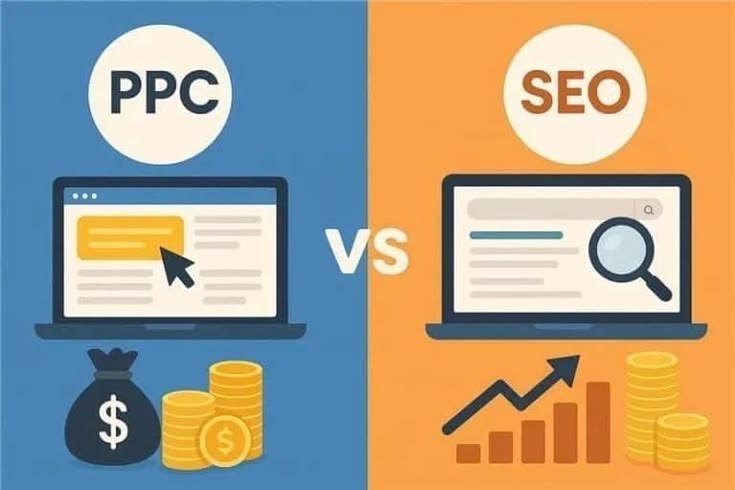
Should a startup invest in SEO or PPC first?

It depends on your stage, budget, market, and growth targets. PPC can create immediate visibility, while SEO builds a longer-term acquisition asset. Many startups benefit from using paid campaigns to capture immediate demand while developing SEO as a compounding source of organic leads.

Does Optimistx Tech Lab provide AI SEO services for startups?

Yes. Optimistx Tech Lab provides SEO and content optimization services designed around technical performance, search intent, authority, analytics, AI visibility, and lead generation. The goal is not simply to increase traffic but to help businesses attract searches that can turn into customers.

Categories
Uncategorized

Why SMBs Need SEO in 2026 And What Happens If You Ignore It

Why SMBs Need SEO in 2026 And What Happens If You Ignore It

Home / Single Post

Recent Blog

Transform Your Business with Marko!

Take your digital marketing to the next level with data-driven strategies and innovative solutions. Let’s create something amazing together!

Why SMBs Need SEO in 2026 And What Happens If You Ignore It

If you run a small or medium-sized business, you’ve probably heard that SEO is important. But between managing operations, serving customers, and keeping the lights on, it can be easy to push it to the back burner — especially when it feels abstract, slow, and expensive.

Here’s the reality: in 2026, SEO isn’t a nice-to-have. It’s one of the most powerful and cost-effective tools available to SMBs — and the gap between businesses that invest in it and those that don’t is widening every single month.

This article explains exactly why SEO matters for small and medium-sized businesses right now, what the consequences of ignoring it are, and how to get started without breaking the bank.

What Is SEO And Why Does It Matter?

Search Engine Optimisation is the process of improving your website so it appears higher in search results when people type in queries related to your business. When someone searches for “accountant for small business in Manchester” or “affordable web design agency USA” and your website appears on the first page — that’s SEO working for you.

Unlike paid advertising, where your visibility disappears the moment your budget runs out, SEO builds compounding, long-term value. A well-optimised page or blog article can drive hundreds of qualified visitors to your website every month, for years, without ongoing ad spend.

For SMBs operating with tighter budgets and smaller teams, this makes SEO one of the highest-ROI investments in the digital marketing toolkit.

Your Customers Are Already Searching The Question Is Whether They Find You

Think about the last time you needed to find a new supplier, book a service, or research a product. Chances are you went straight to Google. Your customers do exactly the same thing — and research consistently shows that the vast majority of clicks go to the top few results on the first page.

If your business isn’t ranking on page one for the search terms your ideal customers are using, you’re invisible to them at the exact moment they’re ready to buy. They find your competitor instead — and in most cases, they never even know you exist.

AI Has Made SEO More Accessible for SMBs Than Ever Before

One of the biggest barriers SMBs have historically faced with SEO is the cost and complexity. Hiring a full-time SEO expert, producing regular content, and running technical audits used to require significant budget and specialist knowledge.

In 2026, AI has changed that equation entirely. AI-powered SEO tools can now:

  • Identify the exact keywords your target customers are searching for in minutes.
  • Analyse competitor websites to reveal content gaps and ranking opportunities.
  • Generate optimised content briefs and first drafts for blog articles and service pages.
  • Run automated technical audits and flag issues before they hurt your rankings.
  • Predict which content topics are trending and likely to drive traffic.

At Optimistx Tech Lab, we use these AI tools as part of every SEO engagement — allowing us to deliver faster results, better targeting, and smarter content strategies for our SMB and startup clients at a fraction of the traditional cost.

Local SEO: The Untapped Goldmine for SMBs

If you serve customers in a specific city, region, or country — local SEO is one of the most powerful opportunities available to your business right now.

Local SEO means optimising your online presence so your business appears in results when people nearby search for what you offer. This includes Google Business Profile optimisation, local keyword targeting, review management, and local citations.

The numbers are striking: searches with local intent — phrases like “near me” or searches that include a city name — have grown dramatically year on year. And critically, local searches convert at a far higher rate than general searches, because the person is already in buying mode.

What Happens If You Ignore SEO?

The cost of not investing in SEO isn’t just missed traffic — it’s compounding market share loss. Here’s what typically happens to SMBs that delay:

  1. Competitors who invest now build domain authority that becomes increasingly difficult and expensive to overtake later.
  2. Your website stagnates while theirs grows — the gap in rankings, traffic, and leads widens every month.
  3. You become more dependent on paid advertising as a crutch, with rising costs and no long-term asset to show for it.
  4. Potential customers who search for your services never find you — and many will never search for you by name because they don’t know you exist.

The businesses that dominate Google search results in 2027 and beyond are the ones making SEO investments today. The best time to start was a year ago. The second best time is now.

How to Get Started With SEO as an SMB

You don’t need a huge budget or a large team to start seeing results from SEO. Here’s a practical starting point:

  • Audit your current website for technical issues — page speed, mobile usability, broken links.
  • Set up and fully optimise your Google Business Profile if you serve local customers.
  • Identify 10–15 core keywords that your ideal customers are searching for.
  • Create or update your key service and location pages with keyword-optimised content.
  • Start a blog and publish one helpful, keyword-targeted article per week.
  • Build backlinks by getting listed in relevant industry directories and partnering with complementary businesses.

If this sounds overwhelming, that’s exactly what a digital marketing partner is for. At Optimistx Tech Lab, we handle the full SEO strategy — from the initial audit right through to ongoing content and reporting — so you can focus on running your business.

The Bottom Line

SEO in 2026 is not optional for SMBs — it’s one of the most important investments you can make in the long-term growth of your business. With AI making it more accessible and affordable than ever, there has never been a better time to get started.

The businesses that invest in SEO today will be the ones dominating search results, capturing leads, and growing sustainably for years to come. Don’t let your competitors get there first.